

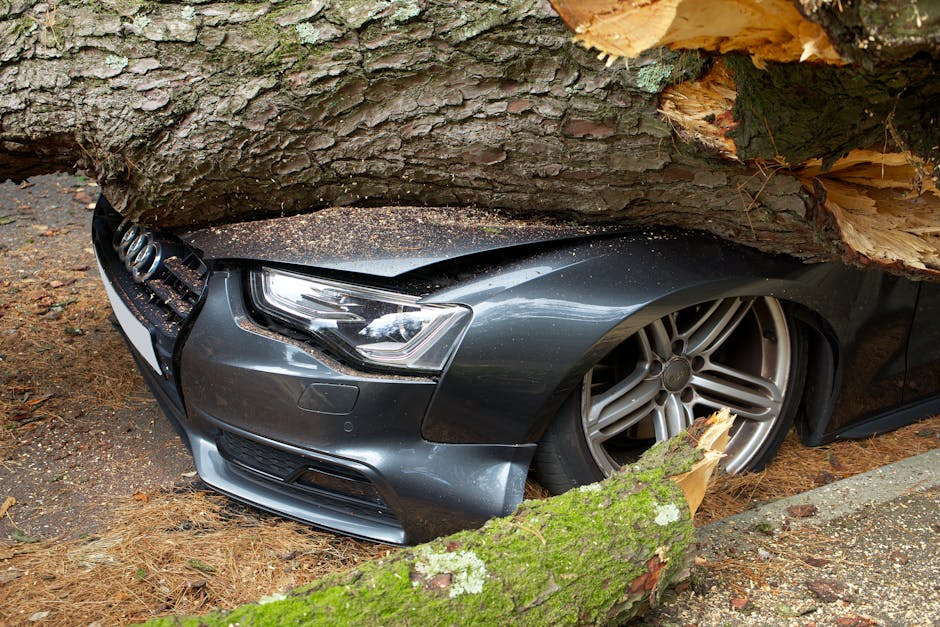
If you’re a homeowner or property manager in Greenville County, recognizing and addressing hazardous trees is essential for protecting your property and loved ones. Hazardous trees can lead to costly property damage, significant safety risks, power outages, and insurance complications—especially during Greenville’s frequent storms and high winds. At The City Arborist, we use over 18 years of certified arborist experience to help you safeguard your land through detailed assessments and expert care.
Early identification and action are critical. Addressing issues promptly can prevent emergencies, minimize liability, and even save at-risk trees that otherwise would require removal. Many tree hazards remain hidden until failure occurs, so proactive annual inspection is the cornerstone of wise tree management.
What Is a Hazardous Tree?
A hazardous tree is any tree with structural defects, disease, or environmental factors that increase the likelihood of falling or dropping branches, posing a risk to people, property, vehicles, or utility infrastructure. These defects may be due to decay, root instability, poor branch attachment, pest damage, or proximity to
important targets. Not every hazardous tree needs to be removed—pruning, cabling, and ongoing monitoring can often mitigate risk.
Why Hazardous Trees Matter in Greenville
The Upstate South Carolina climate—marked by storm activity, humidity, and clay soils—is hard on trees. These elements frequently combine to create unstable root zones and stress even healthy trees. Trees located near homes, driveways, sidewalks, power lines, or public rights-of-way warrant particular attention in Greenville County. Certain species are protected by local ordinances, and neglecting hazards can lead to city-ordered removals or even fines.
Common Warning Signs of Hazardous Trees
- Leaning trunks or significant tilt—Especially if the lean has recently appeared or worsened
- Dead or dying branches—Brittle, leafless limbs are susceptible to breaking in wind or storms
- Cracks, splits, or loose bark on the trunk—Indicative of internal weakness or decay
- Fungal growth around the base—Mushrooms or shelf fungi signal rot inside the tree
- Soil heaving, exposed or damaged roots—Suggests root instability or uprooting in progress
- Multiple trunks (co-dominant stems) with narrow V-shaped connections—Prone to splitting
- Branches overhanging roofs, power lines, driveways, or play areas—Magnifies risk, even if the tree appears healthy
Step-by-Step: How to Address Hazardous Trees on Your Greenville Property
1. Perform a Visual Inspection
Walk around your property and look for the warning signs above. Use binoculars to check high branches, and take photos of any concerning symptoms for future comparison or to share with a professional. Pay special attention to trees taller than 40 feet or located within 20 feet of buildings or utility lines. After storms, always re-inspect.
2. Schedule a Professional Hazard Assessment
While self-inspection can reveal obvious dangers, most critical signs are subtle. Our team at The City Arborist offers comprehensive hazard assessments, evaluating each tree’s condition, species-specific vulnerabilities, structural integrity, and environmental risks. We thoroughly inspect for disease, internal decay, structural weaknesses, and potential failure points, and then provide clear recommendations.
3. Understand Your Options: Mitigation Before Removal
- Corrective Pruning: Removing hazardous limbs or thinning the canopy decreases wind load and increases safety. Best conducted in fall or early winter for most Greenville species.
- Cabling and Bracing: Cables and rods are installed to stabilize weak or split limbs, extending the life of valuable trees and reducing risk—an option expertly provided by The City Arborist.
- Ongoing Monitoring: Some defects only require periodic re-inspection to verify stability, especially if risk to people or property is low.
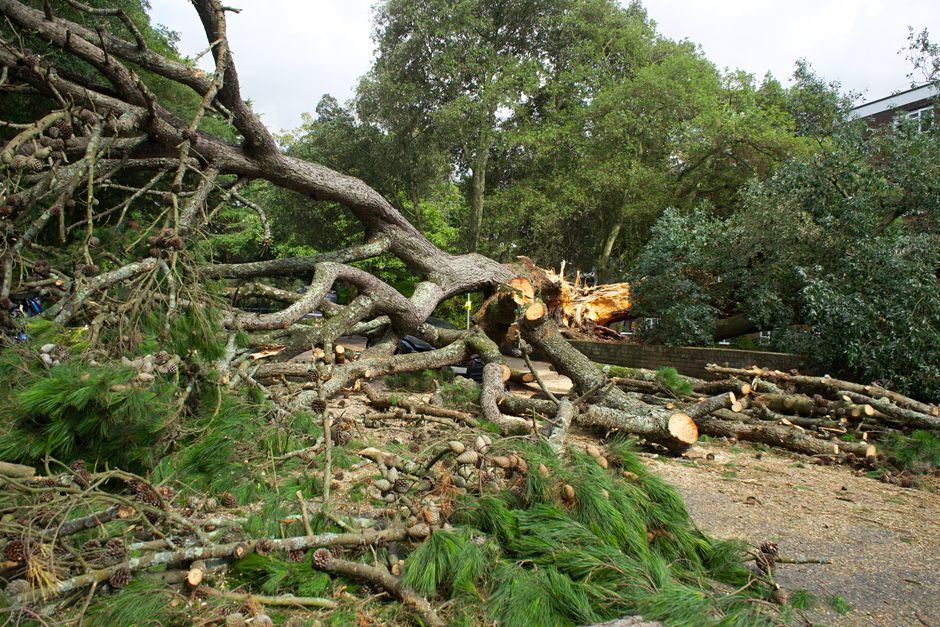
- Tree Removal: When a tree is irreparably decayed, dead, or poses imminent danger, professional removal is the safest path. Our team is equipped for safe removal even in tight spaces and near utility lines, always including complete site cleanup.
4. Check Local Regulations and Insurance Requirements
Many municipalities in Greenville County regulate the removal of certain tree species or those near public rights-of-way. Document all hazards and professional recommendations, especially after weather events, as this record supports potential insurance claims. The City Arborist assists clients with documentation for insurers and city officials.
5. Commit to Routine Tree Maintenance
Proactive care dramatically reduces hazard risk. Plan for trimming every 3–5 years, maintain mulched and undisturbed root zones (never create mulch volcanoes), and irrigate trees during extended droughts common in Upstate SC.
A Real Greenville Success Story
In Simpsonville, a homeowner noticed their 60-foot oak was leaning, with visible fungal decay near the roofline. Our hazard assessment confirmed significant root loss. Instead of immediate removal, we installed a cable system and carefully pruned the canopy, stabilizing the tree and protecting the home from potential disaster. As one review shared: “They trimmed damaged branches and cabled our sugar maple, protecting it from storms. Highly recommend!”—a testament to The City Arborist‘s approach to saving trees whenever possible.
Why Choose The City Arborist for Tree Hazard Solutions
Our reputation in Greenville County is built on certified expertise, safety-first protocols, and detailed, honest advice. We’re locally owned, fully licensed and insured, and bring more than 18 years of hands-on experience managing everything from routine trimming to emergency storm response—any time, day or night. Residents and businesses across Greenville, Simpsonville, Greer, Travelers Rest, Taylors, and Mauldin repeatedly trust The City Arborist for efficient, thorough, and respectful service.
Best Practices for Greenville Property Owners
- Inspect trees annually, especially after major storms
- Never ignore sudden changes (lean, cracks, loss of leaves out of season)
- Contact a certified arborist for complex or high-risk situations
- Keep records of professional assessments and any maintenance for insurance or city requirements
- Mulch appropriately—apply a 2-3 inch ring at the base but keep away from direct trunk contact
- Prune only when needed and in the correct season, using professional help for large/old trees
- If you have storm damage or face urgent risk, call for emergency tree removal immediately

Frequently Asked Questions (FAQ)
What is a tree hazard assessment?
A tree hazard assessment is a professional evaluation of a tree’s structural integrity, health, and stability conducted by certified arborists. It identifies defects, potential hazards, and guides decisions on remediation or removal. The City Arborist provides detailed hazard assessments tailored to Greenville conditions.
What are the most dangerous signs to watch for?
Leaning trees, large dead limbs, major cracks in the trunk, fungal growth at the base, and exposed or heaving roots are all critical red flags. Immediate professional inspection is recommended.
Can hazardous trees always be saved?
Not always. Some trees can be stabilized or pruned, but severely decayed, dying, or unstable trees often require removal to eliminate risk. The City Arborist prioritizes preservation when possible but never compromises safety.
Will I need a permit to remove a hazardous tree in Greenville?
Permits are not required for removal of dead or irreparably hazardous trees in most of Greenville County. However, trees bordering public rights-of-way or protected species may require city approval. We help clients navigate all regulations.
How quickly should I act if I find a hazard?
Act immediately for trees posing imminent danger (dangling limbs over homes, uprooted trees, or severe post-storm damage). For less urgent situations, schedule an assessment at your earliest convenience.
Does my insurance cover hazardous tree removal?
Coverage varies. Most policies cover damage to insured structures caused by fallen trees, but not always the cost of removing at-risk trees before failure. Documentation is vital for all claims, and our team provides necessary reports and support.
Conclusion
Knowing how to spot and address hazardous trees ensures safety and peace of mind for Greenville property owners. A partnership with The City Arborist guarantees you benefit from certified expertise, honest recommendations, and the region’s most trusted tree care, whether you need routine assessments, hazard mitigation, or emergency response. For a comprehensive evaluation or immediate storm damage help, contact us for a free estimate. We are here to keep your trees, your property, and your family safe—year after year.

