

Understanding local tree removal permits and protection laws is crucial for homeowners in Greenville County, SC. If you need to remove a tree—especially a large, hazardous, or uniquely valuable one—familiarizing yourself with relevant regulations can help you avoid legal trouble, costly fines, or delays. While not every tree requires a permit for removal, Greenville County and its municipalities have specific rules regarding heritage and protected trees, as well as additional requirements for properties under development or governed by homeowners’ associations (HOAs). As The City Arborist, we help our clients navigate these complexities with certified expertise and a commitment to safety and compliance.
In this comprehensive guide, we’ll break down when permits are needed, how the laws vary between city and county jurisdictions, what qualifies as a protected or heritage tree, the risks of unauthorized removal, and why professional arborist support is highly recommended for Greenville property owners. We’ll also cover best practices, emergency scenarios, and common questions we receive from our clients.
Tree Removal Permits & Local Regulation: What Counts in Greenville County?
Residents of Greenville County must consider multiple factors before removing a tree, as rules can differ dramatically based on property location, tree type, and size. Generally, private homeowners do not require a permit to remove most trees unless the tree is a designated heritage or protected specimen, or if additional local ordinances apply (such as those enforced by your HOA or city government). Removing trees in public rights-of-way, on new developments, or within certain environmental zones may require permits or specific documentation.
Key Permit Triggers for Tree Removal
- Tree Size: Trees 12 inches or greater in diameter (measured at breast height, or DBH) often trigger review, especially in sensitive areas or cities like Simpsonville.
- Heritage/Protected Trees: Trees 24 inches or larger (DBH) with unique historical or ecological value frequently require an arborist assessment and official permit.
- Development & Subdivisions: New developments may need a Tree Preservation Plan and compliance with density requirements (e.g., 10-15 tree units per disturbed acre for residential/commercial lots).
- Public and Street Trees: Removal of trees on public land or street easements, typically outside your property line, always requires local government approval.
- HOA Oversight: Many local HOAs enforce their own guidelines, sometimes requiring permission for any tree work.
Definition: Heritage and Protected Trees in Greenville County
The term “heritage tree” typically refers to any tree over 24 inches DBH that provides high aesthetic, historical, or ecological value. These trees receive heightened protection under county or city ordinances, especially in downtown Greenville, historic districts, and developments subject to density and preservation requirements. Removal of a heritage tree will almost always require:
- Permit application to the relevant authority (county or city)
- A certified arborist report, detailing the grounds for removal—such as hazard, disease, or structural failure
- In some cases, tree replacement or replanting as a condition of approval
Common Warning Signs That May Justify Protected Tree Removal
- Visible rot, fungal growth, or severe trunk damage
- Leaning dangerously toward buildings or roads
- Significant dieback (dead branches comprising more than 25% of canopy)
- Signs of structural failure like splitting or deep cracks
Unauthorized removal of heritage or protected trees can carry fines starting at $250 per incident, with additional costs for required replanting. As The City Arborist, we always perform a full assessment and guide our clients through the necessary compliance steps.
Step-by-Step Framework: How to Legally Remove a Tree in Greenville County
If you believe a tree on your property requires removal, working through the process methodically will minimize risk. Here’s our expert step-by-step guide, developed from years of experience handling everything from routine removals to complex, high-profile cases:
- Measure the Tree: Determine DBH (diameter at breast height, usually 4.5 feet from ground). Note proximity to structures, power lines, and property boundaries.
- Check Local Rules: Investigate zoning, overlay districts, and HOA covenants. Use the Greenville County online zoning map or consult your association.
- Call the Authorities: Contact the city or county’s land development office for guidance on necessary permits. City of Greenville and Simpsonville have stricter ordinances than most unincorporated county areas.
- Get a Certified Hazard Assessment: Engage a qualified, local arborist (such as our team at The City Arborist) for documentation, especially if the tree is uniquely large or valuable.
- File the Permit Application: Complete any forms, submitting photos, assessment reports, and surveys as required. Some permit reviews can take up to two weeks.
- Pay Associated Fees: Fees range from $25 to $250+ depending on tree size, location, and jurisdiction.
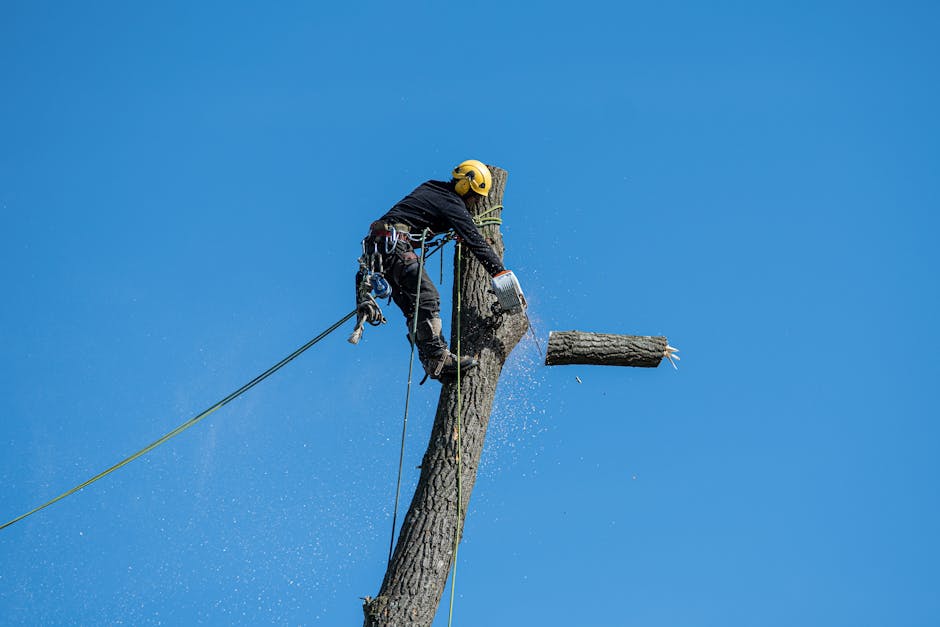
- Schedule the Removal: Always use licensed and insured professionals, prioritizing those with a strong reputation in the market.
City-Specific Ordinances and Development Rules
| Municipality/Area | Regulatory Intensity | Special Requirements |
|---|---|---|
| City of Greenville | Strict for Heritage/Protected Trees | Arborist report, permit, and fines for non-compliance—especially for 24″+ DBH trees |
| Simpsonville | Moderate | Permits for street trees and public areas; additional review for trees over 12″ DBH in sensitive locations |
| Unincorporated Greenville County | Light to Moderate | Tree Preservation Plans needed for subdivisions, new commercial builds, and wooded lot developments |
| HOA Neighborhoods | Variable | HOA board approval often needed prior to ANY tree work |
Emergency Tree Removal: Exceptions and Expectations
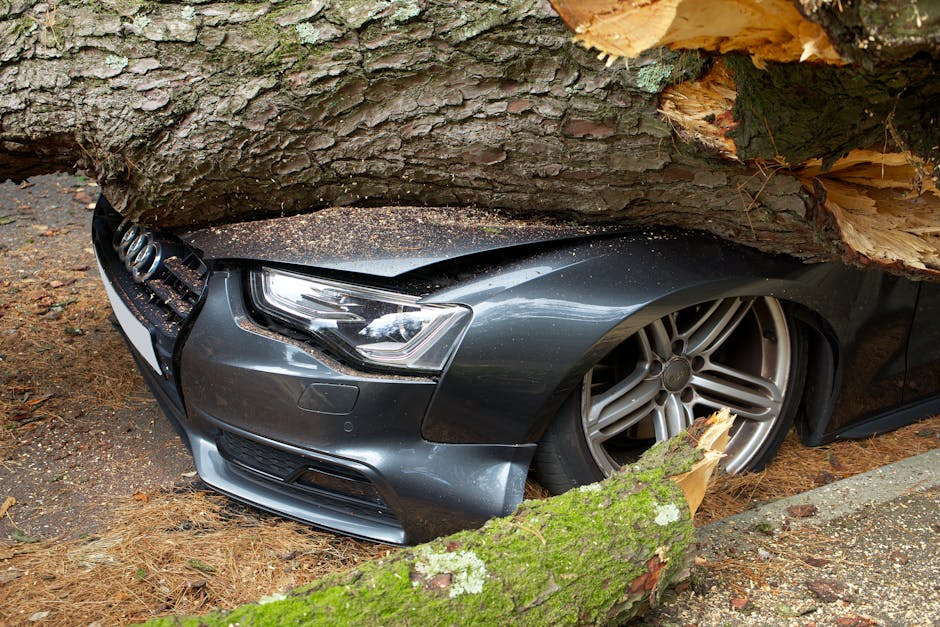
South Carolina and Greenville County make special allowance for urgent cases. If a tree is actively hazardous (e.g., storm-damaged, split, blocking access, or threatening to fall), you do not need to wait for a permit. Emergency removal is always allowed to protect safety and property. However, you should:
- Document the situation with photos or videos
- Secure an arborist’s written assessment post-removal, if possible
- Inform city or county officials soon after the emergency work is performed
We at The City Arborist offer 24/7 emergency response across Greenville County for storm or hazard situations, handling not only the physical removal but also assistance with insurance documentation for your peace of mind.
Development Projects: What Commercial & Residential Builders Need to Know
Greenville County’s requirements tighten considerably for new development, commercial properties, or subdivision expansion:
- Tree Density Units: Developers must ensure a certain number of protected trees remain or are replanted after grading—typically 10 density units per disturbed acre for residential, 15 for commercial projects.
- Tree Preservation Plan: A detailed survey of all existing trees, specifying which will be kept, removed, or replaced, is required before grading or building permits are issued.
- Parking Lot Landscaping: Commercial builds must satisfy tree planting and landscaping ordinances to manage stormwater and maintain the urban canopy.
As local experts, we help property managers and builders document compliance, minimize delays, and prioritize lost or hazardous trees for safe, permitted removal. Partnering with The City Arborist means working with a team that understands the nuances of Greenville’s regulations and how to communicate effectively with government offices.
Best Practices for Legal and Safe Tree Removal in Greenville County
- Start Early: Check tree size and location before booking removal—permit processes can take time for protected specimens.
- Engage Certified Arborists: Only licensed, insured arborists should perform removal on large, hazardous, or valuable trees. This is essential for legal protection, correct assessment, and thorough documentation.
- Keep Records: Save any communication with government offices, HOA boards, or insurance agents. Keep before/after photos and all permit copies.
- Notify Neighbors: Give courtesy notice if tree work affects shared boundaries, public spaces, or utilities.
- Address Hazards Promptly: Don’t delay removing storm-damaged or dangerous trees—emergency exceptions allow for swift, legal action.
- Plan for Disposal: Reputable companies, such as The City Arborist, include complete debris cleanup as part of standard work.
Why Choose The City Arborist for Tree Removal Compliance?
For over 18 years, The City Arborist has been at the forefront of legal, safe tree removal for Greenville County’s homes, businesses, and neighborhoods. As certified arborists, we provide:
- Expert, honest guidance on local laws and ordinances
- Professional hazard assessments for routine or emergency needs
- Documentation and support throughout the permit process
- Rapid response for storm or urgent situations (including insurance help)
- Thorough, safe, and respectful site cleanup
Our clients continually recommend us thanks to our transparent approach, expertise, and commitment to protecting both your property and our local urban forest. One customer shared, “Five stars plus for this tree company! The guys were so professional, made recommendations for trimming the tree, clean up was above and beyond! My husband was very impressed with the owner, from the initial call. Highly recommend!”
Curious about signs a tree might be hazardous? Explore our related article: How to Spot and Address Hazardous Trees on Your Greenville Property.
Frequently Asked Questions (FAQ)
Do I always need a permit to remove a tree in Greenville County?
No. Most single-family homes can remove ordinary-sized trees without a permit, unless the tree is designated as heritage/protected or covered by HOA/city rules. Always check local ordinances.
What qualifies as a protected or heritage tree?
Generally, any tree over 24 inches in diameter (DBH) with special ecological or historical value, or trees flagged by city or county records. Confirm with local government before removal.
What should I do in an emergency (e.g., storm-damaged tree)?
Act immediately to protect people or property. Take photos, keep records, and arrange for professional removal. Notify local officials after-the-fact for compliance.
What are risks or penalties for improper removal?
Fines for unauthorized removal start at $250 per tree and may include mandatory replacement or additional costs. Insurance claims may be denied if you’re found responsible for illegal removal.
How can The City Arborist help?
We provide free estimates, certified hazard assessments, documentation for permits, and safe removal tailored for complex cases in Greenville County. Our team handles both routine and emergency situations with expert care.
How long do permits and removal typically take?
Most routine removals can be scheduled quickly, but permit-dependent jobs may require 1–2 weeks after application. Emergency removals are handled immediately.
Conclusion
Legal, safe, and responsible tree removal requires more than a chainsaw—it requires knowledge of local law, careful documentation, and expert assessment. Greenville County’s regulations strike a balance between property owner rights and urban forest preservation. Rushing into removal without understanding the rules can lead to steep penalties. To ensure you are protected (legally and financially) and that your property thrives, consult with trusted local professionals. The City Arborist is proud to serve homeowners and businesses across Greenville County as the go-to tree service for compliance, safety, and peace of mind.
If you need guidance or want to schedule a free estimate with certified arborists, contact us here. We’re available for routine, emergency, or complex removals throughout Greenville, Simpsonville, Greer, Travelers Rest, Taylors, Mauldin, and the greater Upstate SC region.

