

Spring is the most critical season for Greenville homeowners to set their trees up for a healthy, storm-resistant, and beautiful year ahead. During this period, tree roots and branches awaken from winter dormancy, making trees more vulnerable to weather extremes and pests—but also more responsive to the right care. Proactive steps now help prevent property damage, reduce emergency costs, and promote safe, thriving landscapes.
As Greenville’s top-rated tree experts, The City Arborist has developed an authoritative, step-by-step spring tree care checklist rooted in both local climate realities and professional arborist experience. Whether you plan to do the basics yourself or rely on our certified team for inspections, pruning, or risk mitigation, following this checklist will protect your property and add value year-round.
What is Spring Tree Care?
Spring tree care refers to a structured set of tasks performed as trees exit winter dormancy. This maintenance includes inspection, pruning, cleanup, mulching, fertilizing, pest monitoring, and, if needed, professional assessments for structural issues or hazardous removals. In Greenville, this season is especially important because rapid growth, unpredictable storms, and the region’s clay-heavy soil demand smart, timely intervention.
Why Spring Maintenance Matters in Greenville, SC
As temperatures rise and storms become frequent, unaddressed tree issues can quickly escalate. Branches weakened by winter ice, root instability from wet soils, and the start of insect activity all converge in spring. Neglected trees are prone to snapped limbs and root failures when strong winds arrive. The City Arborist emphasizes that a careful spring routine is the best insurance against emergency removals and property loss.
Spring Tree Care Checklist: Step by Step for Greenville Homeowners
Step 1: Inspect All Trees and Shrubs
Before trees are fully leafed out, walk your property and examine each tree from base to canopy. Look for:
- Dead, broken, or hanging limbs—especially after recent storms
- Leaning trunks or exposed roots (could indicate root instability)
- Fungal growth, cavities, or mushrooms near the soil line
- Bark damage, oozing sap, or insect holes/tunnels
- Overhanging branches near roofs, power lines, or driveways
- Splits between large trunks or branch unions (common in local oaks or maples)
Photograph and document concerns. For advanced problems or any signs of hazard, schedule a professional hazard assessment with The City Arborist. Accurate, early detection prevents accidents and supports responsible property management.

Step 2: Prune With Precision
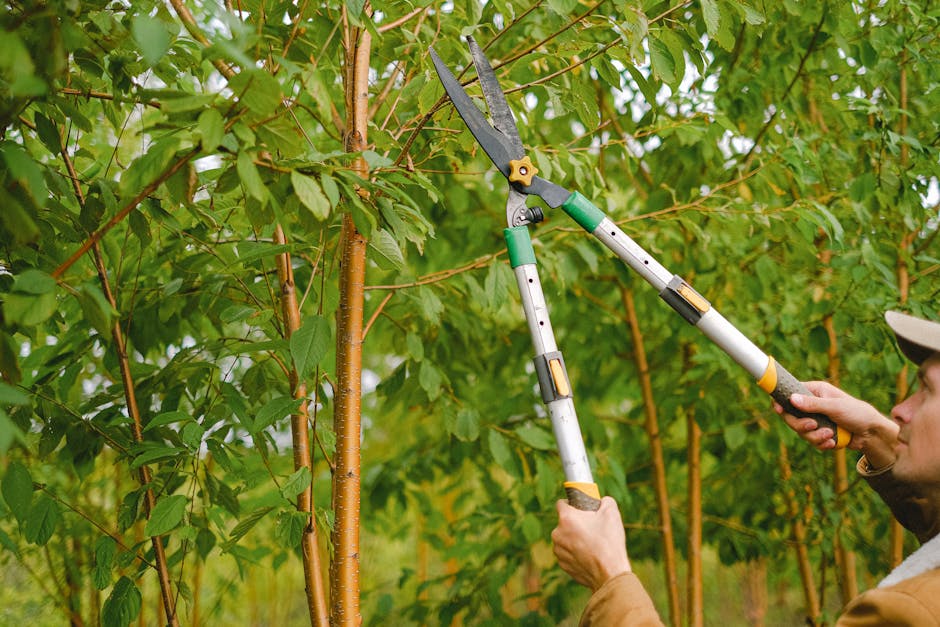
Strategic pruning in early spring removes sources of disease and reduces storm breakage risk. Here’s the professional approach:
- Start with dead, diseased, or storm-damaged branches—these are the most likely to fall.
- Next, thin crowded interior limbs to increase sunlight and air flow.
- For pruning cuts under 1.5 inches, use sharp bypass pruners and the correct branch collar technique to prevent rot.
- Do not remove more than 10% of the living canopy at once to minimize stress.
- Skip pruning oaks and elms in spring, as this elevates the risk of oak wilt; target these in winter instead.
The City Arborist often helps homeowners address risky high branches or trees adjacent to structures. A real customer, Jon & Nann, wrote, “The guys were so professional, made recommendations for trimming the tree, clean up was above and beyond!”—highlighting our commitment to both expertise and site cleanliness.
Step 3: Remove Debris and Old Mulch
Clearing debris is essential for both appearance and tree health. Remove winter leaf litter, broken branches, and last year’s mulch within 3 feet of trunks. This step prevents rot, reduces insect habitat, and ensures a clean surface for new mulch. Check and clear gutters if overhanging limbs are present to prevent water backups in our rainy Greenville spring.
Step 4: Mulch Properly
- Apply 3-4 inches of fresh woodchips, bark, or pine needles under the canopy but not against the trunk (keep a 2-4 inch bare zone).
- Don’t mound mulch into volcano shapes—spread it evenly and maintain soil contact for moisture retention.
- Natural mulch helps moderate soil temperature and reduces weed competition, key for Greenville’s summer heat.
Step 5: Fertilize Judiciously (If Needed)
Spring is ideal for fertilizing if a soil test indicates nutrient deficiencies. In Greenville, soil is often acidic (pH 5.0 to 6.0). Using a slow-release balanced fertilizer (such as 10-10-10 NPK) supports recovery and sustained growth, but avoid over-fertilizing as this can damage roots. For accurate diagnosis and recommendations, consult with The City Arborist or the Clemson Extension’s soil testing service.
Step 6: Monitor for Pests and Disease
Warmer spring temperatures trigger insect and fungal outbreaks. Inspect leaves and branches for early signs of:
- Aphids, bagworms, or boring insects
- Leaf spots or unusual discoloration
- Unseasonal leaf drop or twig dieback
Early intervention with appropriate treatments (such as careful use of horticultural oils or insecticidal soaps) can prevent heavy damage. For significant infestations, The City Arborist provides targeted solutions and professional diagnosis.
Step 7: Address Structural Issues – Cabling, Bracing, and Removal
Some trees develop weak branch unions, multiple trunks, or large splits that compromise their integrity. Professionally installed cabling and bracing systems can extend the life of valuable trees and reduce the risk of breakage near homes or high-traffic areas. For trees that are dead, leaning dangerously, or have extensive decay, planned removal by The City Arborist safeguards property and occupants. Complete cleanup is always included in our removal and pruning services.
Best Practices for Greenville Homeowners
- Water new and young trees consistently during dry spells, aiming for 1 inch of water per week.
- Maintain a grass-free zone at least 3 feet from the trunk to reduce root competition.
- Plant new trees away from buildings and utilities. The City Arborist recommends a minimum distance of 20–30 feet from structures for large trees.
- Install tree lighting for visibility and curb appeal, keeping installation and wiring professional and safe for ongoing tree health.
- Document yearly tree care, including photos and notes, to track changes and catch emerging problems faster.
When to Rely on Professional Services
Some jobs are best left to certified, insured arborists:
- Trees taller than 30 feet or in proximity to utility lines
- Trees with visible hazards, extensive decay, or structural issues
- Complex pruning, heavy removals, or storm cleanup
- Insurance documentation or large projects for residential and commercial clients
The City Arborist has been trusted by Greenville homeowners for more than 18 years, combining technical skill, advanced equipment, and a 5-star safety record. Our team handles everything from routine pruning to full-scale emergencies with complete honesty and transparent pricing.
Additional Resources for Spring Tree Care
If you’re dealing with older or potentially hazardous trees, consider reviewing our in-depth guide How to Spot and Address Hazardous Trees on Your Greenville Property for advanced safety tips.
Frequently Asked Questions
When is the optimal time for spring tree care in Greenville?
Late February through early May, before trees fully leaf out, is the window for most spring maintenance. Inspections and structural pruning are easiest and most effective during this period.
Is fertilizing always necessary in spring?
No. Fertilization should be based on soil test results showing a true deficiency. Over-fertilizing can harm your trees, so consult with local experts or use services like those offered by The City Arborist for tailored advice.
How do I know if a tree is a hazard?
Signs include large dead branches, splits or cracks in main trunks, leaning posture, or fungal decay at the base. For a professional opinion, schedule a hazard assessment with The City Arborist.
Do I need a permit to remove trees in Greenville?
Regulations vary by location. For specific information, read our detailed guide on tree removal permits and local laws.
Why hire certified arborists versus landscapers or doing it myself?
Certified arborists like those at The City Arborist are trained in tree biology, safety protocols, and advanced techniques. We prevent costly mistakes, ensure insurance compliance, and manage high-risk jobs that are unsafe for DIY.
How soon should I call for emergency tree removal?
If a tree or major branch falls or threatens your safety, contact The City Arborist immediately. We provide 24/7 emergency response and assist with insurance documentation for storm-related damage.
Conclusion
With every spring, Greenville’s trees face both their greatest growth and their highest risks. A systematic approach—beginning with careful inspection and followed by targeted action—protects your landscape and your home. Our team at The City Arborist is always available to answer questions, provide professional care, and make sure your Greenville trees remain assets for decades to come. For a free, expert assessment or tailored spring maintenance plan, please contact us today.

